
Chemically resistant, thin-walled, and transparent
SABIC introduces LNP™ CRX copolymers for durable and sustainable solutions in medical technology
With SABIC’s LNP™ CRX PC copolymers, Plastoplan Kunststoffe offers a unique combination of robust chemical resistance, impact strength, thin-wall transparency, dimensional stability, and processability. In device applications such as clear covers, screens, and display lenses, the new materials offer significant advantages over established polycarbonates and copolyesters when exposed to disinfectants or aggressive chemicals. The options include the LNP™ ELCRES™ CRX1314TW copolymer or its bio-based equivalent, the LNP™ ELCRIN™ CRX1314BTW copolymer. Both grades are biocompatible in accordance with ISO 10993, and the sustainable variant also features a carbon footprint reduced by up to 42 percent, based on a life cycle assessment (LCA). As a result, the new SABIC materials contribute to sustainability goals by helping customers develop and manufacture devices with optimized service life.
Since SABIC introduced the first LNP ELCRES CRX copolymers, demand for chemically resistant materials has continued to grow. This has driven the development of innovative thin-walled transparent materials. The now further improved chemical and impact resistance can help reduce premature damage and failures. In addition, the increased freedom in thin-wall design allows sustainability to be integrated into devices from the outset, as designers can reduce the overall dimensions of components. Overall, by expanding the LNP CRX portfolio, SABIC’s Specialties business unit has created new opportunities regarding disinfectant resistance and other increasingly stringent requirements in medical technology, combining these with the critical issue of sustainability. With these thin-walled, transparent copolymers, medical device manufacturers can adopt a holistic approach to the development of diagnostic devices and wearables, enabling longer service life, lower system costs, and a reduced environmental impact.
LNP CRX: Resistance to aggressive disinfectants
Like all LNP CRX materials, the new grades are also characterized by their resistance to aggressive disinfectants such as quaternary ammonium compounds, alcohols, and peroxides. These substances can cause stress cracks in the displays and covers of medical devices. In addition, these materials offer transparency comparable to polycarbonate in thin-walled geometries ranging from 0.8 mm to 1.0 mm, and translucency at greater thicknesses, as well as high impact resistance over a wide temperature range (down to -40°C), excellent dimensional stability, and good processability. Both grades meet the UL94 HB standard for horizontal burning.
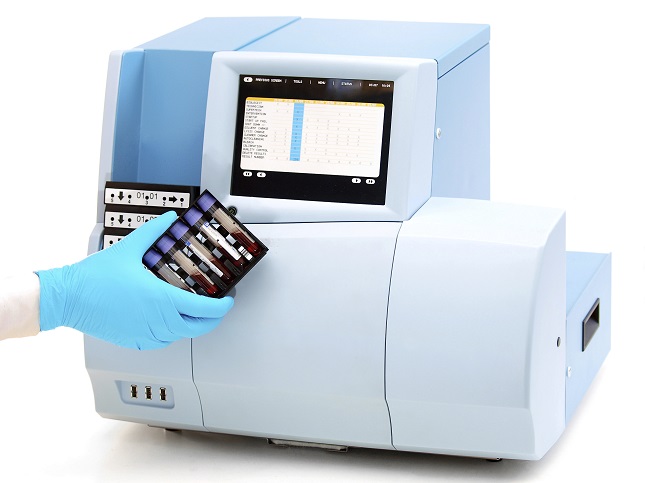
ELCRES copolymer LNPs – no compromises
The new LNP ELCRES CRX1314TW copolymer and its bio-based version can help avoid the trade-offs associated with conventional transparent materials. Amorphous materials such as PC offer excellent clarity and dimensional stability for tight part tolerances, but generally lack sufficient chemical resistance to aggressive disinfectants. While semi-crystalline materials offer higher chemical resistance, they exhibit significant shrinkage and warpage, which can negatively impact part tolerances. Amorphous copolyesters may not be compatible with harsh disinfectants and can require compromises during processing that may lead to potential inefficiencies in production.